You or a loved one urgently needs rehabilitation after a stroke, brain/spinal cord injury, amputation, fall, car accident, neurological disorder, surgery, or any other temporarily incapacitating condition. Your needs may include physical therapy, occupational therapy, speech-language pathology…or all of the above!
So, now what? Navigating through insurance coverage and determining the appropriate level of care — and where it is offered — can become a long and arduous process at the worst possible time. It isn’t easy to compare “apples to apples” between facilities.
Here’s what you need to know about HealthSource Saginaw.
We offer the area’s largest and most comprehensive medical rehabilitation continuum:
Acute inpatient rehabilitation
Outpatient rehabilitation
Skilled and extended long-term care
No other hospital or rehabilitation facility delivers as many levels of rehabilitative care in one setting. One of our biggest benefits is flexibility — patients can transition between centers as their condition changes — all while maintaining continuity in the therapy area.
If you need help
Our compassionate experts are here to answer your questions, address your concerns, and direct you or your loved one to the level of care that is most appropriate for your situation.
The HealthSource Saginaw Beach Neighborhood is reserved for patients who require intensive inpatient care for physically disabling conditions due to stroke, head injury, spinal cord injury, amputation, fall, car accident, neurological disorders, or other incapacitating conditions.
Our focus is on helping patients resume a productive life by working to become as independent as possible. Our team of professionals is dedicated to teaching and supporting each patient and family every step of the way.
During your stay you will receive:
visits from physiatrist and internal medicine physicians
around-the-clock rehab nursing care
at least three hours of therapy throughout a day from physical therapy, occupational therapy, and/or speech-language pathology
visits from recreational therapist, dietitian, and social worker
weekly team conferences
home evaluation
You may also use the home room or go out on a community outing to maximize your functional abilities.
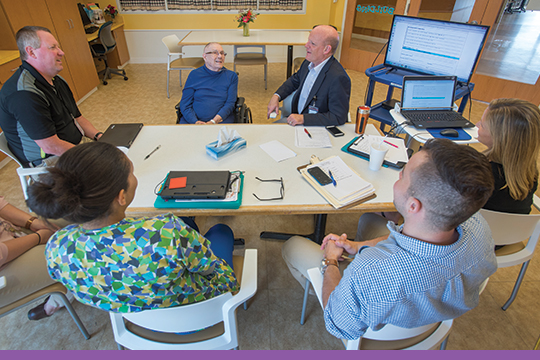
Weekly therapy team conference
Weekly Team Conferences
Therapy teams are led by a physiatrist (a physician who specializes in rehabilitation) and include rehabilitation nurses, occupational therapists, physical therapists, recreational therapists, speech-language pathologists, social workers, neuropsychologists, and case managers. Patients and families are part of care planning as well. The team determines a customized plan of care for each patient based on his or her unique needs.
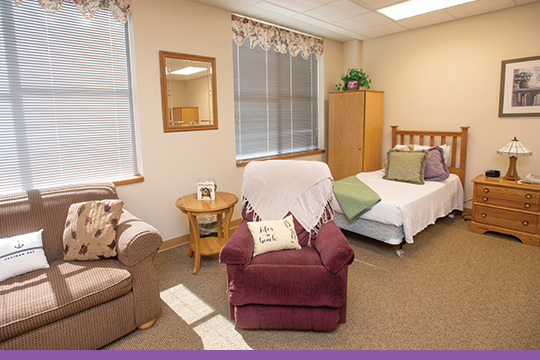
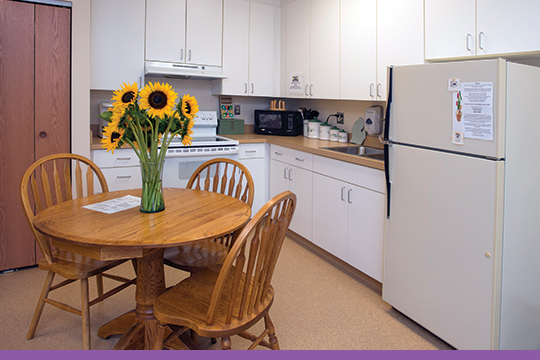
Home room living areaHome room kitchen
Home Room
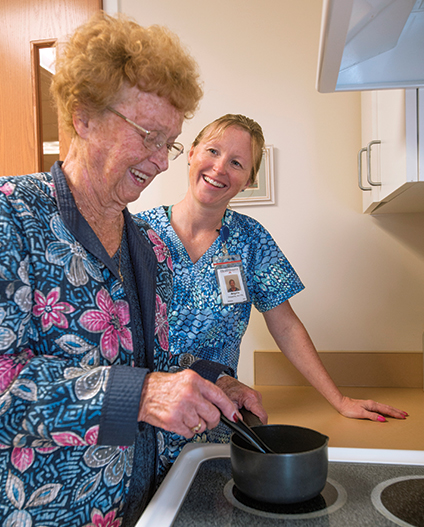
Our acute inpatient rehabilitation facility includes an apartment-style suite patients and families can use to practice the skills required to return to independent living prior to discharge from their rehabilitation program. Our Home Room features a living room, bedroom, kitchen, and bathroom. We encourage family members to spend the night to see firsthand how the transition home will be, while still having experienced staff available to troubleshoot any issues that may arise. This valuable experience helps us provide further training to families that may need it and make the most appropriate equipment recommendations before discharge.
Home Evaluations
While our rehabilitation setting is spacious and ideal for re-learning mobility and activities of daily living, it may not provide a true indication of how you will function in your own home. Our trained physical and occupational therapists can conduct an on-site evaluation of your home to identify any barriers such as narrow doorways or stairs/steps — and recommend any safety equipment and/or modifications that will make for a smooth transition home.
If your home is located out of the area, our therapists will review your specific home floor plans and simulate potential problem areas during your therapy treatment.
Community Re-entry
Recreational therapists lead you through a series of scenarios you will face when you return to leisure, work, and social activities. This crucial aspect of recovery encourages patients to problem solve possible barriers they will likely encounter when discharged. An actual outing may take place to practice community skills such as accessing restaurants, places of worship, or public restrooms. The goal is making you feel more comfortable resuming your community activities when returning home.
Our skilled and licensed professionals in physical therapy, occupational therapy, and speech-language pathology provide outpatient services to patients after stroke, head injury, spinal cord injury, orthopedic surgery, and other illnesses or injuries.
For Appointments
Call (989) 790-7800 for assistance with scheduling an appointment for:
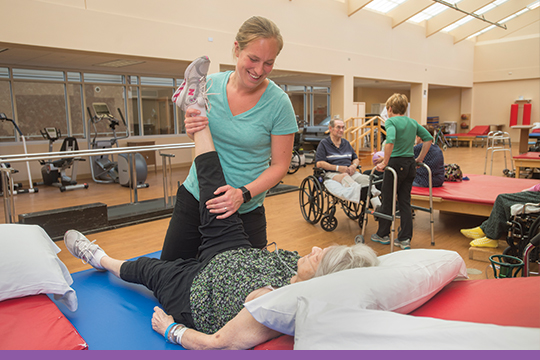
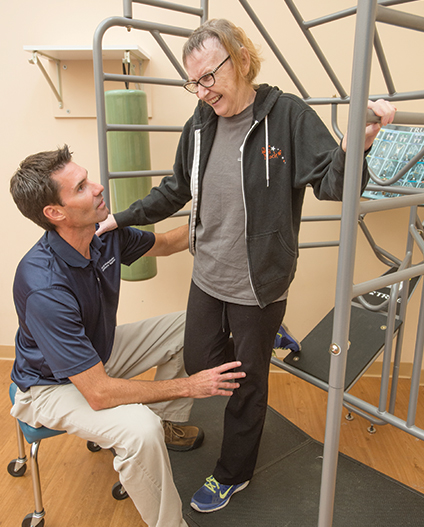
Our more than 7,000-square-foot therapy gym is a focal point on the HealthSource Saginaw Main Street, providing one of Michigan’s most impressive therapy facilities. The open atmosphere is conducive to collaboration among therapists and patients.
HealthSource Saginaw offers several advanced technologies and have therapists certified in:
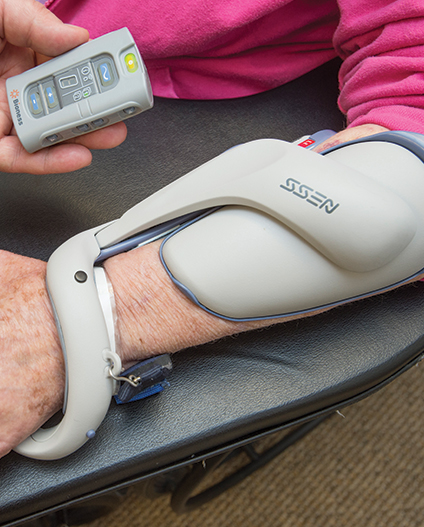
Ness® H200™ for regaining hand and arm mobility after stroke or neurological injury
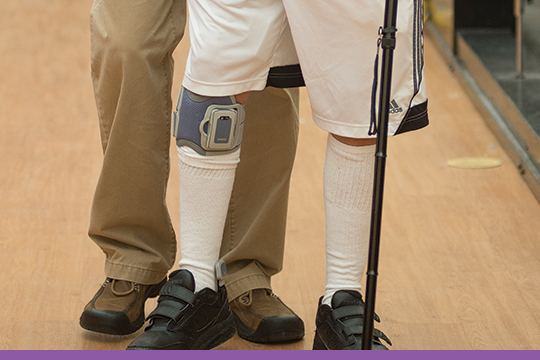
NESS® L300™ to improve foot drop
Saebo Arm Training Program for neurological injuries
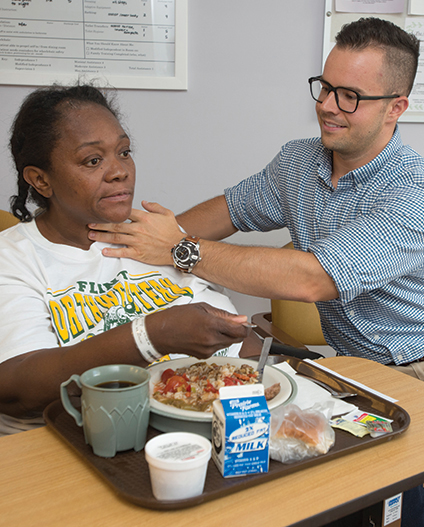
VitalStim and DPNS techniques for patients who need to regain the ability to swallow
Other impressive elements in the therapy gym include:
Car in the physical therapy area to prepare patients for re-entry into the community
Training apartment in the occupational therapy area with a full kitchen, bedroom, living room, and bathroom to prepare patients for return to home
At HealthSource Saginaw, our therapy gym and physical therapy staff are second to none in the region. Our team is seasoned and successful, and our program is highly sought after as a training ground for students because of our outcome-oriented, patient-focused care.
Physical therapy services are part of a multi-disciplinary approach that also includes case management, neuropsychology, occupational therapy, social work, speech-language pathology, and therapeutic recreation.
Physical therapy services are offered in our acute inpatient rehabilitation unit, to residents receiving skilled rehabilitation or extended care in the Long-Term Care Center, and on an outpatient basis.
What is a Physical Therapist?
HealthSource physical therapists hold master’s or doctorate degrees in physical therapy (PT). A vital part of the therapy team, they:
Perform initial evaluations
Set appropriate physical and functional goals
Monitor progress toward goals
Do routine reassessments and patient discharges
Assisting in the delivery of physical therapy are the physical therapist assistants (PTA). PTAs have an associate’s degree from accredited colleges and universities. Together the PT/PTA team develops exercise and manual strategies to improve daily living.
What We Do For Patients
The team at HealthSource is specially trained in neurological physical therapy. This means we specialize in the treatment of:
Stroke
Head injury
Spinal cord injury
Multiple sclerosis
Cerebral palsy
Parkinson’s disease
Spinal cord injury
Vestibular disorders (vertigo or dizziness)
Headaches
We also offer a complete range of services for orthopedic issues:
Back pain
Joint replacement
Amputation
Joint pain including shoulders, hips, and knees
Sports injuries
How We Deliver Services
The PT team evaluates and diagnoses strength, range of motion, balance, and pain disorders. We provide therapy designed specifically for patients to increase functional skills based on results of an evaluation. PT services use state-of-the-art equipment and current evidence-based practices.
HealthSource offers technological breakthroughs such as the NESS® L300™, which helps patients with foot drop. Click here to determine if you are a candidate for this technology.
We also educate patients and family members to:
Understand identified deficits
Implement therapeutic strategies or compensation techniques
At HealthSource Saginaw, our therapy facilities and occupational therapy staff are second to none in the region. Our team is seasoned and successful, and our program is highly sought after as a training ground for students because of our outcome-oriented, patient-focused care.
Occupational therapy services are part of a multi-disciplinary approach that also includes case management, neuropsychology, physical therapy, social work, speech-language pathology, and therapeutic recreation.
Occupational therapy services are offered in our acute inpatient rehabilitation unit, to residents receiving skilled rehabilitation or extended care in the Long-Term Care Center, and on an outpatient basis.
What is Occupational Therapy
Occupational therapists are rehabilitation professionals who work with patients to restore or improve physical abilities, adapt to surroundings, and to teach new skills. Our goal is to have each patient achieve his or her best physical and/or mental function for daily life tasks.
Occupational therapists now enter their field with a master’s degree, while occupational therapy assistants have an associate’s degree from an accredited college or university.
What We Do For Patients
We evaluate and treat people who are experiencing difficulty in the following areas:
Upper extremity range of motion and strength
Hand function
Gross and fine motor coordination
Activity tolerance
Sitting and standing balance during functional tasks
Basic self care skills (eating, dressing)
Instrumental activities of daily living (meal prep, homemaking)
Safety in the home
We design and provide therapy to increase functional skills based on results of an evaluation. HealthSource occupational therapists use state-of-the-art equipment such as the Tailwind and are certified to evaluate and treat with the Ness® H200™ hand recovery system and the Saebo arm training program for stroke survivors. Click here if you think you are a candidate for these technologies.
Contact us for information on occupational therapy
At HealthSource Saginaw, our therapy facilities and staff are second to none in the region. Our team is seasoned and successful, and our program is highly sought after as a training ground for students because of our outcome-oriented, patient-focused care.
Speech-language pathology (SLP) and cognitive retraining services are part of a multi-disciplinary approach that also includes case management, neuropsychology, physical therapy, occupational therapy, social work, and therapeutic recreation.
Speech-language pathology and cognitive retraining services are offered in our acute inpatient rehabilitation unit, to residents receiving skilled rehabilitation or extended care in the Long-Term Care Center, and on an outpatient basis.
What is a Speech/Language Pathologist?
Contrary to our name, we help not only with talking but also with chewing and swallowing, memory, judgement, attention and concentration, reading and writing. It’s the activities of every day life that most of us take for granted.
What We Do For Patients
The SLP staff at HealthSource Saginaw evaluates and diagnoses communication, cognition, and swallowing deficits caused by head injury, stroke, tumor, or disease. Some of the most common disorders include:
Aphasia — an impairment in language affecting comprehension (listening, reading) or expression (thinking of and using words, gestures, or writing)
Apraxia of speech — an impairment of muscle use affecting voluntary control, initiation, and coordination of movement
Cognition — the mental process by which knowledge is acquired. Language and cognition are closely linked in all forms of communication. Areas of difficulty may include orientation, attention, perception, memory, reasoning, and problem-solving
Dysarthria — an impairment in muscle strength, sensation, and speed as evident by facial droop, drooling, slurred, or distorted speech
Dysphagia — difficulty swallowing, which involves chewing and moving food or liquid through the mouth to the stomach. Signs of difficulty include holding food in the mouth, coughing, changes in vocal quality, or the feeling that something is stuck
Voice fluency— a variety of components including pitch, volume, quality, intonation or inflection, resonance, and stuttering
We design and provide therapy to increase functional skills based on results of an evaluation. SLP services use state-of-the-art equipment and current techniques in the following areas:
Cognitive retraining emphasizing memory strategy education and training, attention building programs, computer-assisted visual processing training, and computer-simulated driving experience
Language therapy to address communication limitations caused by aphasia
Speech therapy to address articulation, voice, and fluency
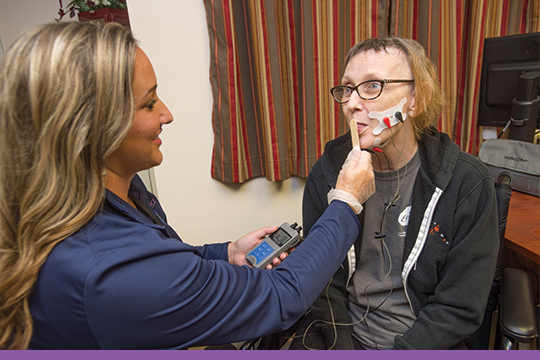
Swallowing therapy using facial e-stim, VitalStim therapy, deep pharyngeal neuromuscular stimulation (DPNS) techniques, diet modification, and eating compensation strategies
We also educate patients and family members to understand deficits and implement therapeutic strategies or compensation techniques.
Contact us for information on speech-language pathology
At HealthSource Saginaw, recreational therapy services are part of a multi-disciplinary approach that also includes case management, neuropsychology, physical therapy, occupational therapy, social work, and speech-language pathology.
Recreational therapy services are offered in our inpatient psychiatric units, acute inpatient rehabilitation unit, and to residents receiving skilled rehabilitation or extended care in the Long-Term Care Center.
What is a Recreational Therapist?
Recreational therapy uses treatment, education and recreation services to help people with illnesses, disabilities, and other conditions develop and use their leisure in ways that enhance health, functional abilities, independence, and quality of life.
Therapy— to improve abilities that increase independence and make participation in recreation possible
Education — to teach or improve recreational skills and attitudes that can be used throughout life
Recreation — to promote better health in a rewarding and enjoyable way
Our recreational therapists have bachelor’s degrees and are professionally certified through the National Council for Therapeutic Recreation.
What We Do For Patients
Improve physical abilities — including muscle strength, balance, coordination, flexibility, and mobility
Build confidence — by concentrating on strengths and by developing skills that make success possible
Promote greater self-reliance — which is essential to independent living
Strengthen interpersonal skills — by encouraging social interactions that help build relationships and create a feeling of group acceptance
Manage stress — through activities that relax the mind and body
Enrich life— by providing creative opportunities that promote self expression
Recreational therapy also encourages people to:
Accept responsibility — for their leisure, actions, and lives
Learn by doing — and to feel good about what they have accomplished
Set goals — and push themselves to achieve the most they can
Act assertively — by standing up for their rights while respecting the rights of others
Develop new interests— to promote leisure awareness
Learn new approaches — to rethink leisure interests and participate as independently as possible
Recreational therapy can be implemented through:
Board games
Sensory stimulation
Aquatic therapy
Sports
Music
Arts/crafts
Social events
Community reintegration
Intergenerational activities
Computers
Dance
Cooking
Pet therapy
Volunteering
Fishing/hunting
Horticulture
Outdoor activities
Family education
Reminiscing
Pre-vocational
Special Patient Programs
Pre-Driving Skills Evaluation Program LSVT BIG® and LSVT LOUD® Interactive Metronome Therapy Program SaeboReach and SaeboFlex Arm Training Programs Ness® H200™ Hand Recovery System Ness® L300™ Foot Drop System VitalStim Therapy Certified Lymphedema Therapy
Pre-Driving Skills Evaluation Program
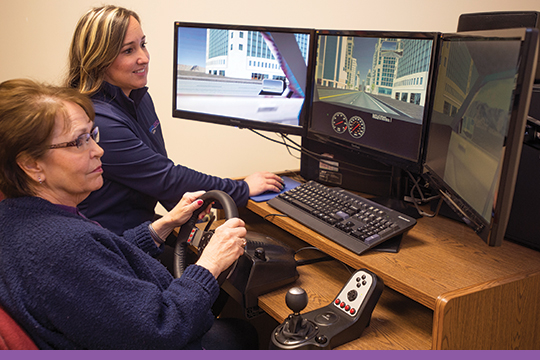
Car simulator
If you are a physician or family member concerned about an individual’s ability to safely operate an automobile, HealthSource Saginaw offers a 45-75 minute evaluation program designed to evaluate and treat for cognitive communication deficits and pre-driving skills (everything but the road driving test). The program provides insight into a patient’s functional abilities related to:
Communication (understanding and expression)
Verbal fluency
Attention processing
Mental tracking
Visual-spatial processing
Visual-reaction timing
Auditory reaction timing
Memory for biographical, immediate, recent, and long-term information
Orientation, problem solving, foresight, and planning
The evaluation also includes pre-driving skills simulation such as:
Safety awareness and attention
Awareness of cause/effect
Brake reaction timing
Eye/hand coordination
Head/neck flexibility/movement
Leg/foot movement
Control in varying situations or in presence of unexpected hazards
For more information, call Katie at (989) 790-7896.
This test requires a physicians order faxed to (989) 790-7866. The order should read: “Evaluate and treat for cognitive communication deficits and pre-driving skills” and must include the patient’s medical diagnosis related to neurological function, a demographics sheet, and history and physical.
HealthSource will contact the patient to schedule day/time of appointment.
Physicians will receive an evaluation report summary and recommendations via fax within 7 days of evaluation.
LSVT Big® and LSVT Loud®
Healthsource Saginaw therapists use the LVST® programs to help people with Parkinson’s disease and other neurological disorders through an intensive, amplitude-based exercise program to show improvements in:
Walking
Balance
Trunk Rotation
Multitasking
Voice and Speech
Patients will use bigger movements automatically in everyday living, show improved articulation, speech intelligibility, and will see long-term results while providing systematic relief and improved function.
For more information, call (989) 790-7800.
VitalStim Therapy
VitalStim therapy
HealthSource Saginaw speech-language pathologists employ VitalStim — a safe, non-invasive electrical stimulation — along with guided exercises to help patients having difficulty swallowing. Click here to learn more.
Interactive Metronome Therapy Program
Interactive Metronome technology
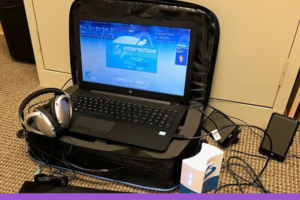
Interactive Metronome is an evidence based assessment and training tool that measures and improves neurotiming, which is the synchronization of neural impulses within the brain. Interactive Metronome improves cognitive-communication, sensory, and motor performance for the following:
Attention
Processing speed
Working memory
Executive function
Self-regulation
Expressive & receptive language
Reading comprehension
Mathematics
Upper extremity function
Motor coordination
Athletic performance
The Interactive Metronome program at HealthSource Saginaw can help people with:
Parkinson’s
Traumatic brain injury
Cerebral Palsy
Stroke
ADHD
Dyslexia
Autism spectrum disorders
Enhanced sports performance
For more information, call Katie at (989) 790-7896.
SaeboReach and SaeboFlex Arm Training Programs
Saebo technology
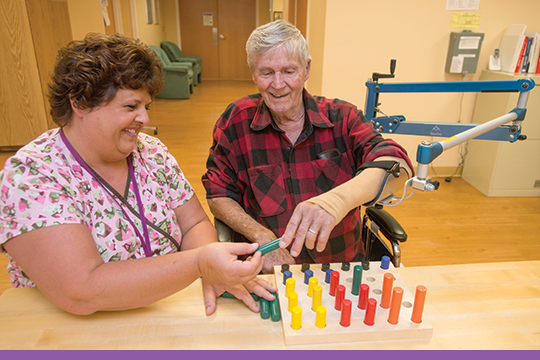
HealthSource Saginaw therapists employ the SaeboFlex and SaeboReach technologies, which allow patients suffering from neurological impairments, such as stroke, to incorporate their arm and hand functionally in therapy. For more information, call Robin at (989) 790-7819. Or, click here to learn more.
Ness® H200™ Hand Recovery System
Ness® L300™ Foot Drop System
Ness® L300™ Foot Drop System
HealthSource Saginaw is one of only 86 rehabilitation facilities in the country to offer the NESS® H200™ Hand Recovery System and NESS® L300™ Foot Drop System from Bioness Inc. Click here to learn more. Click here to determine if you are a candidate for this technology.
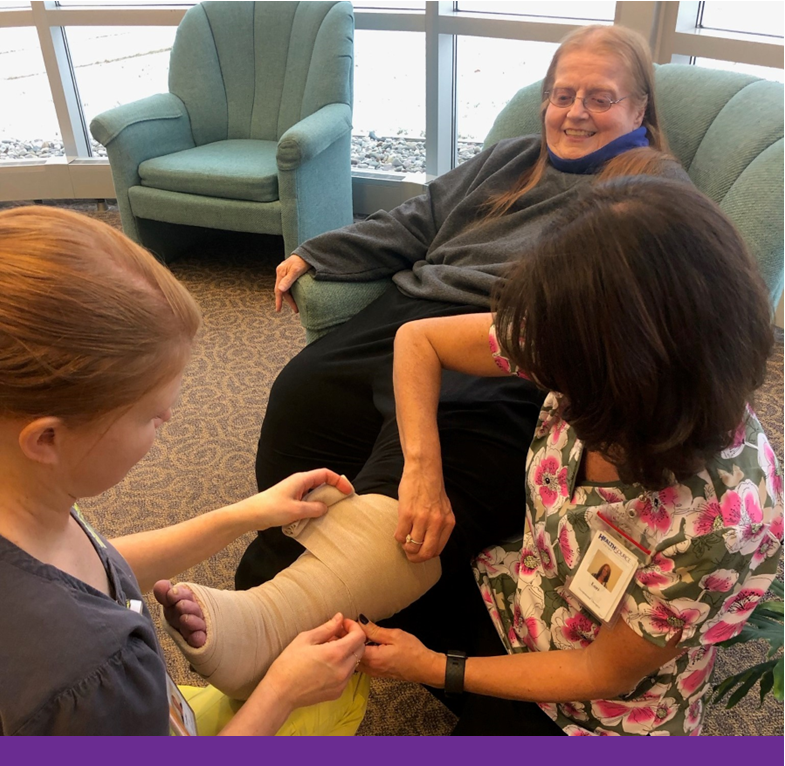
Certified Lymphedema Therapy
Certified Lymphedema Therapy
There is no cure for Lymphedema, but the certified specialists at HealthSource Saginaw can help with treatment to reduce swelling and control pain. Treatments can be provided on an outpatient basis or during an inpatient stay.